Musk Targets 2028 for Chip Plant, but Scale Goals Draw Scrutiny
The Tesla and SpaceX venture aims for volume production within two years, though the required output capacity far exceeds current global AI infrastructure.
By Xiaoyu Wang ·
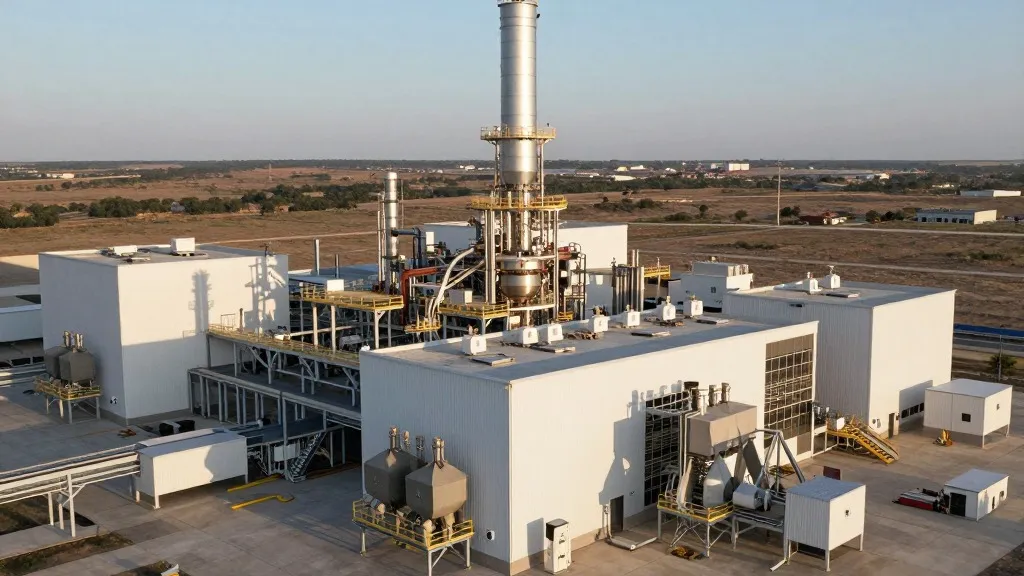
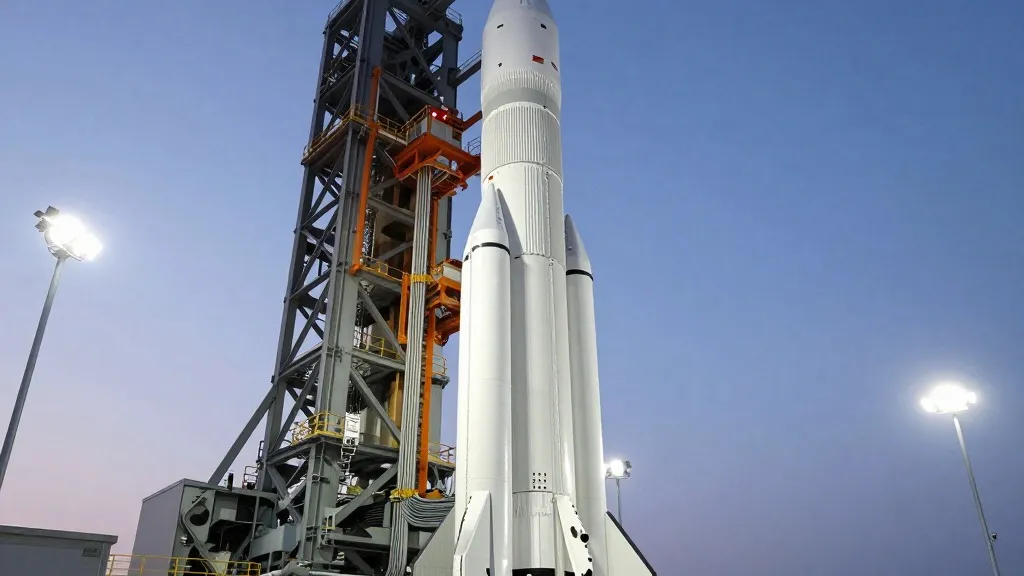
Elon Musk, acting as chief executive for both Tesla and SpaceX, announced on October 20 that suppliers including ASML are accelerating equipment deliveries for the Terafab semiconductor plant. The joint venture aims to begin volume chip production at the Gibbons Creek, Texas, location by the third or fourth quarter of 2028. Musk characterized this schedule as "highly aspirational" with "big error bars," while noting that SpaceX plans to manufacture its first experimental test chip at its Austin research facility around the second quarter of 2027.
The Terafab facility is designed as a vertically integrated factory capable of producing logic, memory, and advanced packaging architectures in one location, with a stated goal of manufacturing 1 terawatt of AI computing power per year. The project utilizes Intel's 14A manufacturing node technology and requires extreme ultraviolet lithography systems from ASML. Additional equipment for front-end processing and metrology will be provided by suppliers including Applied Materials, Lam Research, KLA Corporation, and Tokyo Electron.
Questions remain regarding the feasibility of the production timeline and the scale of the operation. While the facility aims to output chips to support xAI clusters, self-driving vehicles, and Optimus robots, industry estimates suggest the planned output exceeds current global capabilities. Research firm Gartner estimates total global AI-optimized data center capacity at roughly 44 gigawatts as of late 2026, which represents 4.4 percent of Terafab's planned annual output.
Experts have questioned the validity of the 1 terawatt ambition, particularly given supply chain constraints. Although global AI computing capacity has grown by roughly 3.3x to 3.4x per year since 2022 according to EpochAI, reaching such a volume in a single building would require unprecedented manufacturing output. The project is intended to mitigate future shortfalls of cutting-edge AI processors from external foundries.
Musk also addressed near-term compute capacity during the broadcast, stating that his AI companies expect to have 2.5 to 3 gigawatts of computing capacity active by the end of 2026. He expressed high confidence in adding an incremental 10 gigawatts in 2027, aiming for a total of 13 gigawatts by the end of that year. To reach this target, SpaceX and xAI are procuring next-generation Nvidia architecture, including a 440,000-GPU Nvidia "Vera Rubin" training cluster online by the end of the second quarter of 2027.
Musk stated that once fully scaled, the commercial value of Terafab's output would place the single building within the top 20 global country GDPs. For context, Switzerland currently holds the 20th position with a GDP of around $1.14 trillion. It remains unclear if the expedited timeline refers to the delivery of the facility's first EUV tool, which was reportedly slated for mid-2027.
Source: Tom's Hardware