Tesla Schedules Unsupervised FSD Launch for Q2 2027
Tesla's latest timeline for autonomous driving in customer vehicles is tied to participation in the company's existing Robotaxi network.
By Anastasia Volkova ·
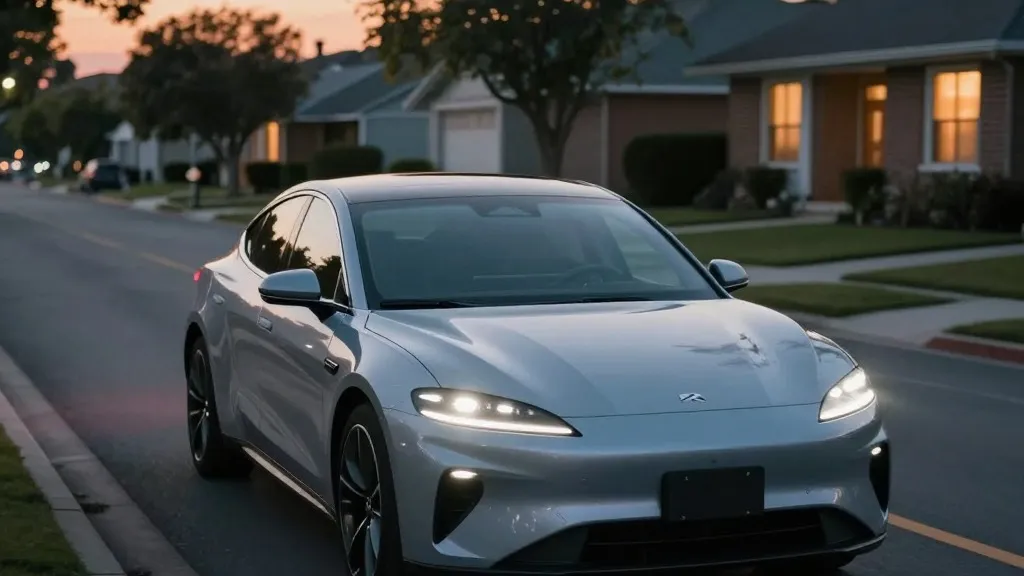
Tesla has set a new target date for a highly anticipated feature: unsupervised Full Self-Driving for customer vehicles will begin rolling out in Q2 2027. This timeline was revealed during the company's Q3 2026 earnings call, responding to a shareholder query backed by approximately 1.1 million shares. While the date represents a concrete step forward for a long-promised capability, the plan's scope is significantly narrower than what many owners have been anticipating for years.
The path to this announcement has been marked by shifting timelines. For a decade, Tesla has been promising FSD buyers a car that could eventually drive itself anywhere. Elon Musk, for example, told investors in July 2025 that unsupervised FSD would be available for personal use by the end of that year in certain locations. A year prior, he expressed confidence it would happen the following year. Now, the company is setting a new target of Q2 2027, continuing a pattern of pushing back the date for this specific functionality.
However, the definition of the feature is also changing. During the earnings call, Tesla AI chief Ashok Elluswamy explained that the initial rollout will not be a software update that allows a car to drive its owner to any destination. Instead, it will consist of owners enrolling their personal vehicles into Tesla's managed Robotaxi network. This means a car would only operate without a driver within the specific zones where Tesla's Robotaxi service is already active.
These operational zones are currently quite limited. The Robotaxi service is live in six U.S. metropolitan areas, but the service areas are small, covering only specific sections of those cities. For instance, the Miami zone is largely confined to West Miami and nearby areas. Furthermore, the vehicles operate on low-speed routes, generally avoiding highways and more complex driving environments.
The scale of the existing autonomous fleet also remains modest. By the end of Q3 2026, Tesla reported its Robotaxi service had accumulated nearly 2 million cumulative unsupervised miles. This figure comes after the Cybercab joined the Austin fleet. In comparison, competitor Waymo has logged over 3 million miles and operates in Orlando and Tampa, where Tesla's service also runs.
This latest plan represents a notable shift from what was originally sold to customers. The promise to FSD buyers was a vehicle that would eventually drive itself anywhere via a software update, a feature Musk had been selling to customers since 2016. Now, the proposed capability is more restricted: the vehicle can join Tesla's fleet, but only within Tesla's designated zones and under its operational control.
Looking ahead, the company's path to Q2 2027 faces significant hurdles. In California, Tesla's vehicles must still be operated with a safety driver because the company has not released certain data to the state's DMV, a requirement for operating beyond a level 2 autonomous system. Additionally, owners of vehicles with HW3 computers have been informed that their hardware cannot support unsupervised FSD, with no clear upgrade path available. The company's AI chief indicated that safety concerns are the primary bottleneck for broader deployment, and he estimated that these issues could be resolved by next year, though he stated he does not know for certain.
Source: Electrek